Capability01
Hazard-Zone Guardrails
Monitor critical process areas for unauthorized entry and unsafe proximity behavior.
Process Safety
Monitor hazardous zones continuously to identify unsafe behaviors, protocol drift, and high-risk conditions before they escalate.
Live
Restricted-zone compliance monitoring
Faster
Risk escalation and intervention loops
Audit
Evidence-backed compliance reporting
Stronger
Leading safety indicators for EHS teams
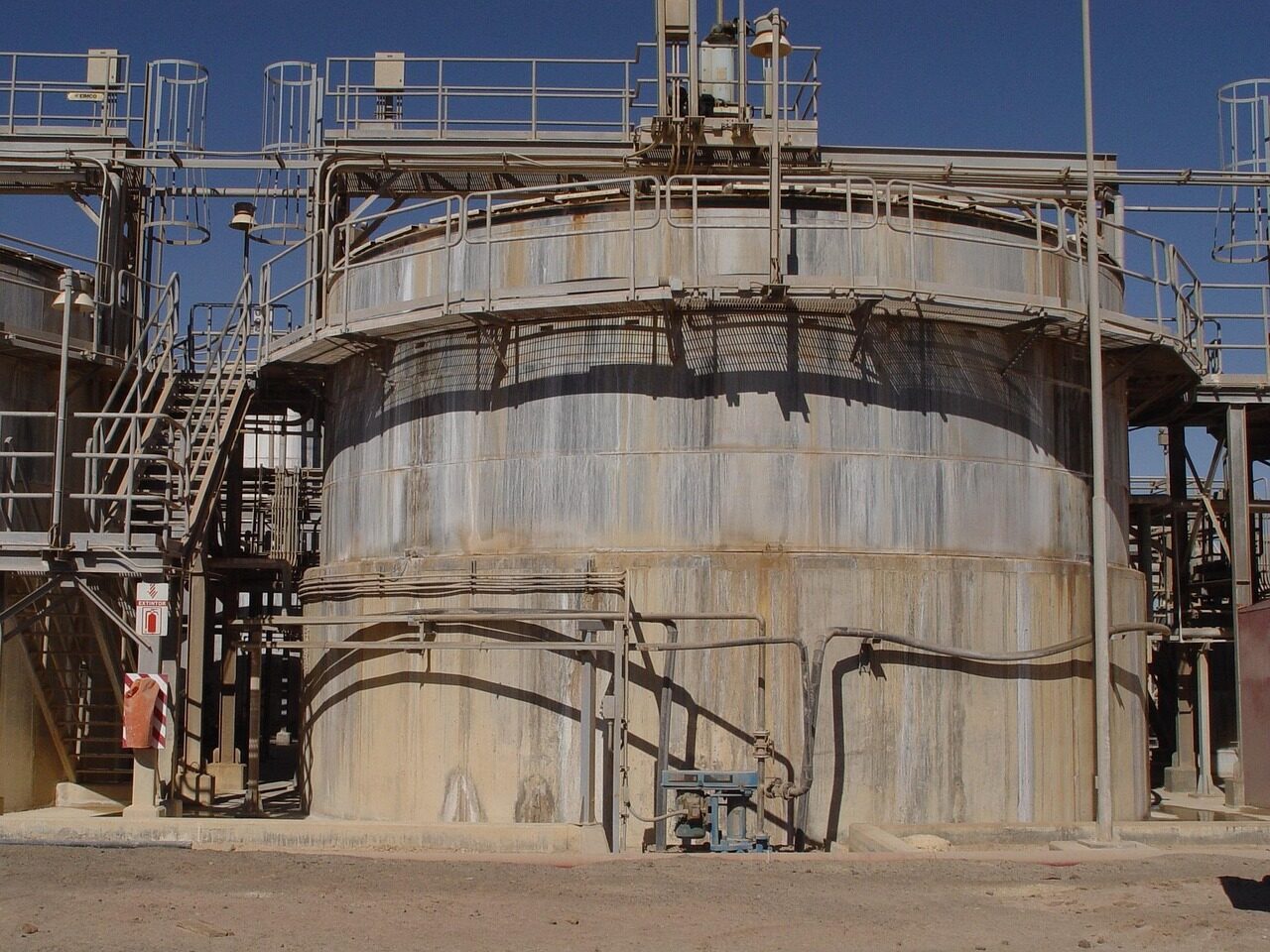
Move from reactive incident review to proactive risk interception.
Purpose-configured AI video workflows tuned to your highest-risk and highest-friction operational moments.
Monitor critical process areas for unauthorized entry and unsafe proximity behavior.
Detect protocol drift and PPE violations before they become incident precursors.
Validate evacuation path readiness and support drills with real visual evidence.
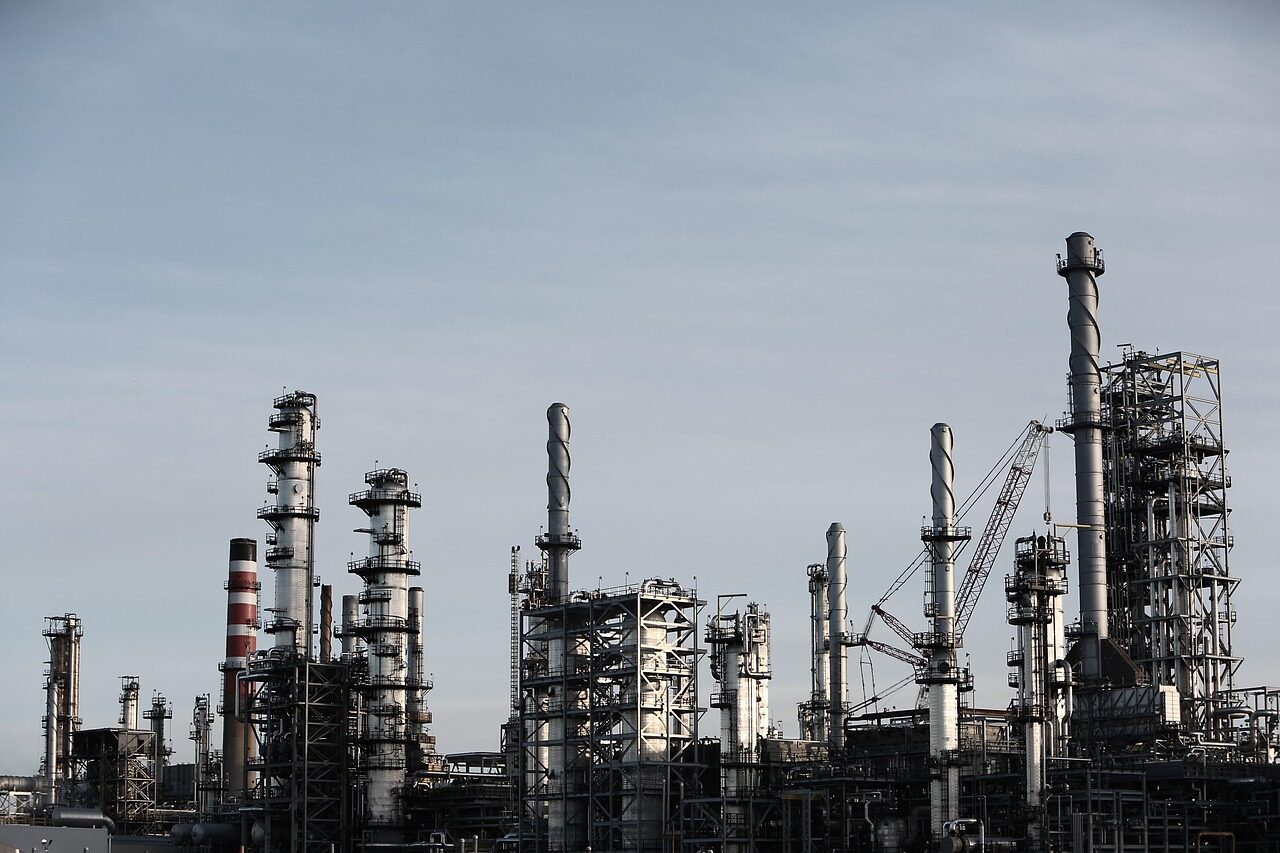
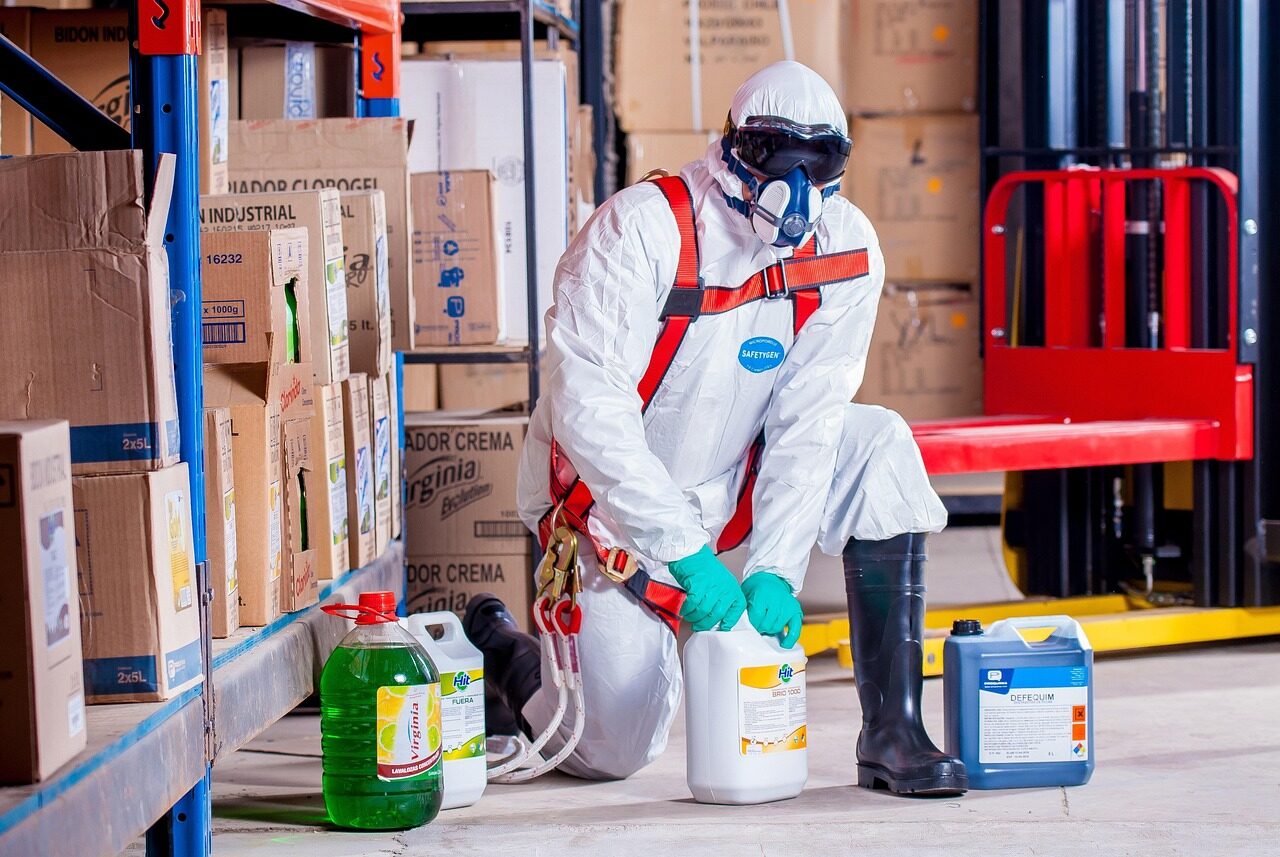

Use Case 01
Verify PPE adherence in chemical handling zones
Use Case 02
Flag hazardous area entry without correct procedures
Use Case 03
Surface recurring near-miss patterns for correction
Deployment Model
Step 01
Define critical risk zones around processes, storage, and access points.
Step 02
Attach response playbooks to each event type for rapid intervention.
Step 03
Review flagged incidents weekly with EHS, operations, and maintenance.
Step 04
Feed trend data into preventive actions and leadership reporting.
"This gave our EHS group a clearer leading signal, not just lagging reports. We now catch unsafe drift while there is still time to intervene."
EHS Program Lead - Chemical Processing Site
Move from reactive incident review to proactive risk interception.